
Which Baby Lock Serger Should You Buy?
Choosing a serger is usually more confusing than it should be.
Most of the machines look similar on paper, and the feature lists don’t always tell you what actually matters when you sit down to use one.
So instead of listing specs, this guide focuses on something simpler:
→ How these machines actually feel to use—and who each one is really for
Quick Answer (If You Don’t Want to Read Everything)
If you just want a straightforward recommendation:
Best place to start: Baby Lock Victory
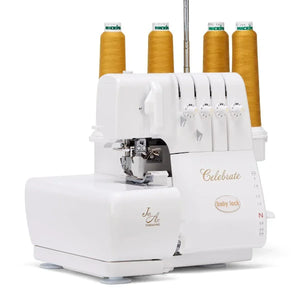
- Best for simplicity (lower cost): Baby Lock Celebrate
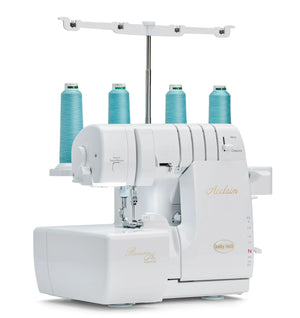
- Best long-term machine for most people: Baby Lock Acclaim
- Best for advanced sewing: Baby Lock Splendor
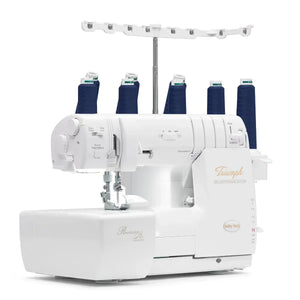
- Top-of-the-line (no limitations): Baby Lock Triumph
If you’re unsure, the Victory is where most people end up.
First — What Actually Matters in a Serger
Before comparing models, it helps to understand what makes one serger easier or harder to use.
There are really three things:
1. Threading
This is what frustrates most people.
- Basic machines → manual threading
- Baby Lock machines → air threading (huge difference)
2. Tension
This controls how your stitch looks.
- Manual tension → more adjustment, more learning
- Automatic tension → machine handles it for you
3. Capability (Thread Count)
This determines what kinds of seams you can create.
- 3–4 threads → most garment sewing
- 5–8 threads → stronger or more complex seams
The Lineup
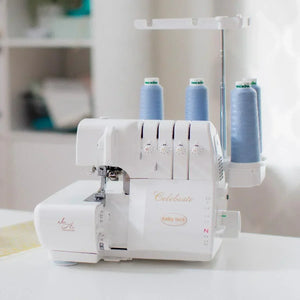
Baby Lock Celebrate

Best for: getting started
- Air threading (loopers)
- Manual tension
This is the simplest machine in the lineup.
It works well if:
- You’re new to sergers
- You want something straightforward
- You’re okay with learning tension
→ Most people who sew regularly eventually move past this.
Baby Lock Victory

Best overall value
- Air threading
- Automatic tension
- This is where serging starts to feel easy.
You’re not adjusting tension constantly, and threading isn’t a problem.
→ For most people, this is the sweet spot.
Baby Lock Acclaim

Best long-term machine for most sewists
- Air threading (loopers + needles)
- Automatic tension
The difference here is convenience.
You spend almost no time setting up the machine.
→ If you sew often, this is usually where people end up.
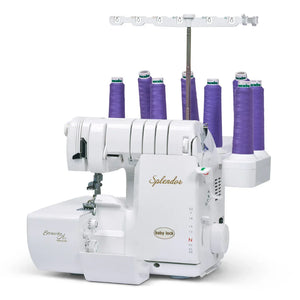
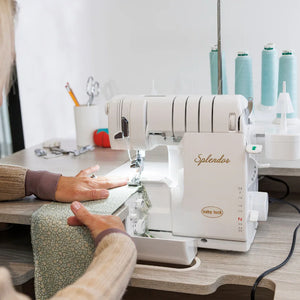
Baby Lock Splendor

Best for advanced construction
- 8-thread capability
- Air threading
- Automatic tension
This is less about ease and more about capability.
It’s for:
- Stronger seams
- More advanced techniques
→ Most people don’t need this—but some definitely do.
Baby Lock Triumph

Top of the line
- 8-thread capability
- Air threading (loopers + needles)
- Automatic tension
This combines:
- Maximum capability
- Maximum ease
→ If you want one machine that does everything, this is it.
| Model | Auto Tension | Air Threading | Threads | Best For |
| Celebrate | X | ✓ (loopers) | 2-4 | Beginners |
| Victory | ✓ | ✓ (loopers) | 2-4 | Most People |
| Acclaim | ✓ | ✓ (loopers + needles) | 2-4 | Frequent Sewing |
| Splendor | ✓ | ✓ (loopers) | Up to 8 | Advanced Sewing |
| Triumph | ✓ | ✓ (loopers + needles) | Up to 8 | Maximum Capability |
How to Choose (Simplest Way to Think About It)
Instead of overthinking specs, ask yourself:
“How often am I going to use this?”
- Occasionally → Celebrate or Victory
- Regularly → Victory or Acclaim
- A lot → Acclaim
- Advanced / pushing limits → Splendor or Triumph
My Honest Take
Most people don’t need the top-of-the-line machine.
What they need is:
- A machine they’ll actually use
- One that doesn’t frustrate them
- One that fits how they sew
That’s why the Victory and Acclaim tend to be the most popular long-term choices
Why These Machines Feel So Different
Even though they all sew similar stitches, they don’t feel the same to use.
That comes down to:
- How easy they are to thread
- How often you adjust tension
- How much setup they require
The higher you go in the lineup, the less time you spend managing the machine
Still Not Sure?
That’s normal.
The best way to choose a serger is to match it to:
- What you sew
- How often you sew
- How much setup you’re willing to deal with
If you’re unsure, reach out to us. We’ll help you figure out what actually makes sense—not just what’s most expensive.

Which Baby Lock Serger Should You Buy?

Written By: Cale Schoenberg
Find More Inspiration
Shop The Best Deals

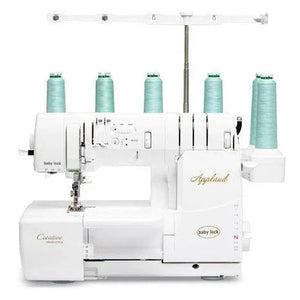
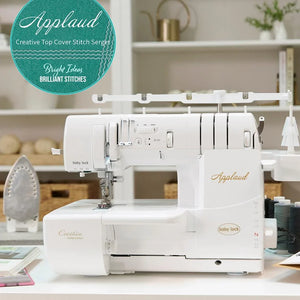
Baby Lock Applaud Coverstitch Serger Baby Lock Applaud Coverstitch Serger
Serger
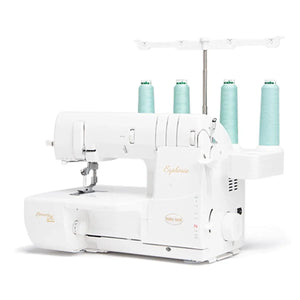

Máquina de puntada para cubrir Babylock Euphoria Máquina de puntada para cubrir Babylock Euphoria
Serger
serger
Compartir en:
-
 Share on Email
Se abre en una nueva ventana.
-
 Compartir en Facebook
Se abre en una nueva ventana.
-
 Share on Linkedin
Se abre en una nueva ventana.
-
 Twittear en Twitter
Se abre en una nueva ventana.



Deja un comentario
Tenga en cuenta que los comentarios deben aprobarse antes de que se publiquen.