
Why a Walking Foot Is Essential for Your Sewing Machine (Especially for Quilting)
✂️ The Meissner Perspective
At Meissner Sewing, we love exploring the mechanics that make sewing more enjoyable and your results more beautiful.
Few accessories transform the sewing experience quite like the walking foot. It’s one of those underrated innovations that quietly fixes so many of the frustrations sewists face — shifting fabric, uneven stitches, and that maddening quilt “creep.”
Let’s take a look at what a walking foot really does, and why the best sewing machines from Bernina, Janome, Baby Lock, and Brother have turned it into an art form.
⸻
What a Walking Foot Does and Why It Matters
If you’ve ever sewn a quilt, hemmed a knit, or stitched slippery fabric, you may have noticed the layers shifting slightly as you sew. That’s because your sewing machine’s feed dogs only make contact with the bottom layer of fabric. In turn, the top layer may move at a slightly different rate, leading to what sewists call uneven fabric or slippage.
A walking foot solves that problem.
It’s a special presser foot with its own set of feed teeth on top that grip the upper layer of fabric. Together with the machine’s lower feed dogs, both layers now move through the machine in harmony, producing straighter seams, smoother stitches, and better results every time.
⸻
The Problem: Uneven Fabric and Shifting Layers
When you’re quilting, sewing knits, or working with multiple layers, fabric slippage can cause:
- Wavy seams
- Puckered stitching
- Mismatched quilt blocks
- Inaccurate topstitching
A walking foot evens out that movement so all your layers — batting, backing, and top fabric — feed evenly from start to finish.
⸻
Entry-Level Walking Feet: Great Start, but Limited Sync
Most sewing machines under ~$1,500 come with an entry-level walking foot. You can spot one by the little metal lever that wraps around the needle bar. As the needle moves up and down, the lever lifts and lowers the walking foot’s feed teeth.

This design works, but it’s reactive — the foot’s motion depends on the needle’s movement, not the machine’s motor or internal feed system. The result is better than no walking foot at all, but it’s not perfect for advanced quilting or precision sewing.
⸻
Integrated Dual Feed: The Next Level of Precision
Higher-end sewing machines have evolved beyond basic walking feet. They use integrated dual feed systems, where the upper feed is directly linked to the machine’s internal mechanics. Instead of reacting to the needle bar, it moves in sync with the motor and feed dogs below the fabric.
This integration makes all the difference in accuracy and smoothness — especially when quilting or sewing thick layers.
⸻
Janome’s AcuFeed Flex System
Janome’s AcuFeed Flex System is one of the most advanced walking foot designs available. Instead of a lever, it connects into the back of the sewing machine and synchronizes directly with the upper shaft — the upper shaft connects to the motor, the motor connects to the lower shaft, and the lower shaft connects to the feed dog mechanism — meaning that the walking foot’s feed teeth are in perfect harmony with the feed dogs below the needle plate.


That means the top and bottom layers move together in perfect unison.
- Prevents slippage on thick quilts or knits
- Allows differential feed adjustment — letting you fine-tune how fabric layers move relative to one another
- Found on models like the Janome Skyline S6, S7, MC6700, MC9480, M8, and M17
One thing here that’s really unique is the differential feed adjustment. This kind of feed control used to exist only on sergers (one reason why sergers are so good at sewing knits). Janome brought it to home sewing machines — a true innovation for quilters and garment makers alike.

⸻
Bernina’s Built-In Dual Feed
Bernina machines feature their own built-in dual feed system, integrated directly into the sewing machine body. There’s no bulky attachment — you simply pull the feed mechanism down when you need it, and it engages instantly.
- It’s quiet, powerful, and incredibly easy to use.
- Compatible with Bernina presser feet marked with a "D" (like the #1D or #37D patchwork foot)
- Found on models such as the Bernina 570, 740, 770, 790, and 990
The convenience alone makes it a favorite among quilters who switch between piecing and topstitching throughout a project.


⸻
Baby Lock’s Digital Dual Feed
At the top of Baby Lock’s line, you’ll find their Digital Dual Feed — a sleek, belt-driven system that grips the fabric from above using a soft rubber belt rather than teeth. It’s whisper-quiet, gentle on delicate fabrics, and extremely effective at feeding multiple layers evenly.

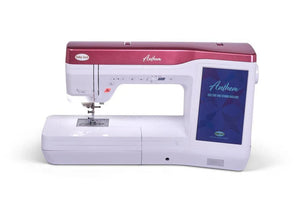
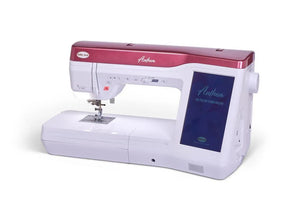
You’ll find it on premium models like the Baby Lock Ballad, Chorus, Anthem, and Altair 2.

⸻
What About Brother?
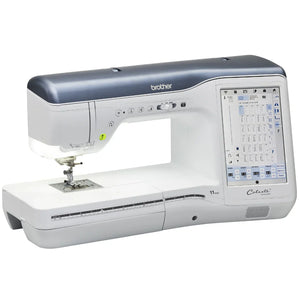
Brother shares a similar design to Baby Lock’s, offering digital dual feed technology in their higher-end sewing and embroidery machines. If you already love Brother’s user-friendly interface, adding digital dual feed will make your quilts look even more professional.
You’ll find it on models like the Brother BQ2500, BQ3100, Celeste, and Aveneer.

⸻
Why Quilters (and Everyday Sewists) Love These Systems
Whether you’re piecing a quilt top or sewing home décor, machines with integrated dual feed systems let you:
- Sew long seams without fabric sliding or puckering
- Keep topstitching perfectly aligned
- Feed multiple layers of batting and fabric effortlessly
- Enjoy smoother, quieter operation overall
Once you experience even feeding, it’s hard to go back.
⸻
✨ Closing Thoughts from Meissner Sewing
At Meissner, we believe a great sewing machine should make every project feel easy.
The difference between frustration and flow often comes down to features like dual feed — small details that let your creativity take center stage.
If you’ve struggled with uneven fabric or quilt layers that won’t stay aligned, visit one of our stores or explore our Bernina, Janome, Baby Lock, and Brother collections online.
We’d love to help you find a machine that feeds as beautifully as it stitches.
Why a Walking Foot Is Essential for Your Sewing Machine (Especially for Quilting)

Written By: Meissner Sewing & Vacuum Centers
Find More Inspiration
Shop The Best Deals
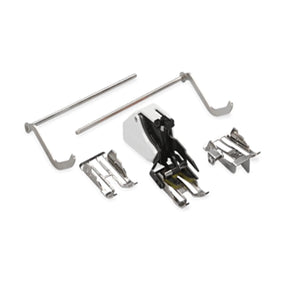
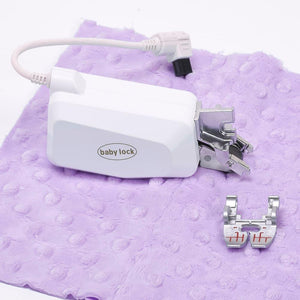
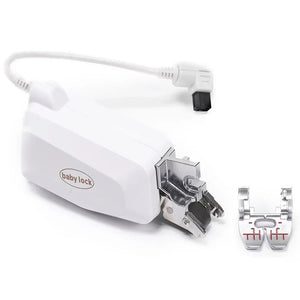
Baby Lock Compact Digital Dual Feed Foot - High Shank #BLSA-DDF Baby Lock Compact Digital Dual Feed Foot - High...
Presser Feet
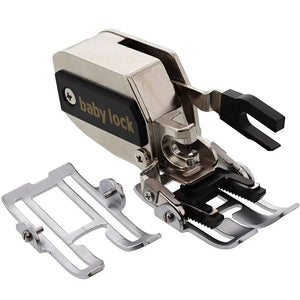
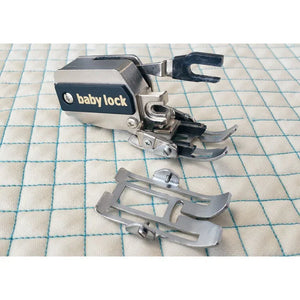
Baby Lock Dynamic Walking Foot, #BLSA-WF Baby Lock Dynamic Walking Foot, #BLSA-WF
Presser Feet
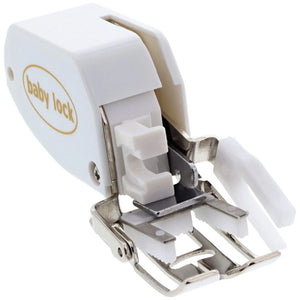
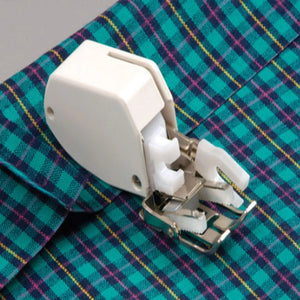
Baby Lock Low Shank Walking Foot #BLG-WF Baby Lock Low Shank Walking Foot #BLG-WF
Presser Feet
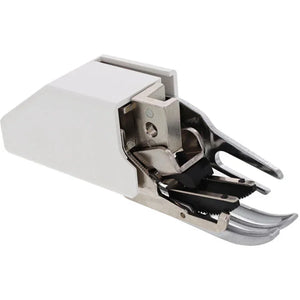

Baby Lock Walking Foot, High Shank #BLQP-WF Baby Lock Walking Foot, High Shank #BLQP-WF
Presser Feet
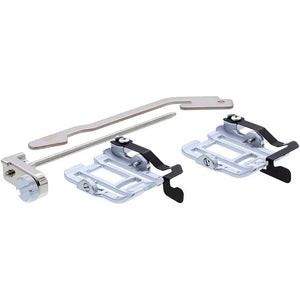
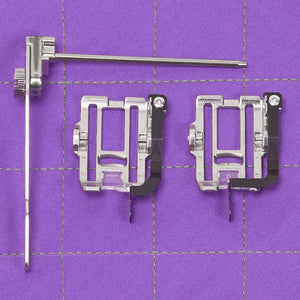
Baby Lock Walking Foot Sole Accessory Kit (3pc), #BLSA-WFS Baby Lock Walking Foot Sole Accessory Kit (3pc)...
Presser Feet
quilting
Compartir en:
-
 Share on Email
Se abre en una nueva ventana.
Share on Email
Se abre en una nueva ventana.
-
 Compartir en Facebook
Se abre en una nueva ventana.
Compartir en Facebook
Se abre en una nueva ventana.
-
 Share on Linkedin
Se abre en una nueva ventana.
Share on Linkedin
Se abre en una nueva ventana.
-
 Twittear en Twitter
Se abre en una nueva ventana.
Twittear en Twitter
Se abre en una nueva ventana.




Deja un comentario
Tenga en cuenta que los comentarios deben aprobarse antes de que se publiquen.