
How to Wind a Perfect Bobbin: The Key to Tight, Even Bobbin Winding on Your Sewing Machine
Why Winding a Good Bobbin Matters
One of the most overlooked steps in sewing machine setup is how you wind the bobbin. A poorly wound bobbin causes:
- uneven or loopy stitches
- thread nests ("bird-nests")
- inconsistent tension
- thread jams
- in severe cases, needle crashes and damage to your sewing machine
The good news?
The key to winding a perfect bobbin is simple:
👉 The thread must be under proper tension while the bobbin is being wound.

If the thread lacks tension during winding, the bobbin will be loose, spongy, and sloppy—and that bobbin is almost guaranteed to create problems inside your machine.
This guide explains how sewing machine bobbin tension works, how to properly use the bobbin winder tension discs, and the two techniques I recommend for ensuring a tight, even bobbin every time.
The Bobbin Winder Tension Discs: Where the Battle Is Won or Lost
Most sewists are familiar with two types of tension on a sewing machine:
- the upper thread tension discs, and
- the bobbin case tension spring
But there’s a third tension system that people routinely overlook:
→ The bobbin winder tensioner discs
These are the small metal or plastic discs mounted near the top of the machine—the thread MUST be seated between them before it reaches the bobbin.

If the thread is not correctly sandwiched inside these discs:
- the thread winds loosely,
- layers stack unevenly,
- the bobbin becomes spongy or “fluffy”,
- and the machine’s stitch quality suffers.
Think of it like a child tying their shoes. They might form the knot, but without tension, the knot is loose and falls apart. Your bobbin behaves the same way:
No tension during winding = no structural integrity in the bobbin.

How to Ensure Proper Tension When Winding a Bobbin
If you’re getting loose or uneven bobbins on your sewing machine, try these two techniques:
Technique 1: “Floss the Thread” Into the Bobbin Winder Discs
- Hold the thread with one hand.
- Wrap it around the bobbin winder tensioner as directed.
- With your other hand, “floss” the thread back and forth exactly like dental floss.
This motion pulls the thread firmly between the tension discs.
Test the tension:
- Gently pull the thread.
- If you feel resistance, you’re ready to wind the bobbin.
- If the thread pulls freely with no tension, try flossing again.
If you still can’t create tension, move to Technique #2.
Technique 2: Wrap the Thread 360 Degrees Around the Tensioner
Most sewing machine manuals show the thread simply passing through the bobbin winder tensioner.
But for stubborn tension issues, I recommend wrapping the thread a full 360° around the disc.
This increases the friction path, guaranteeing tension even with slippery thread types (rayon, polyester, metallics, etc.).
This technique is especially useful for:
- embroidery thread
- fine 60wt thread
- old or dry thread
- machines with worn tensioner springs
If your bobbin tension is inconsistent, this method usually fixes it instantly.
Why a Sloppy Bobbin Causes Sewing Problems
A sewing machine forms a stitch by pulling the “next-up” section of bobbin thread smoothly out of the bobbin.
A properly wound bobbin delivers this thread evenly and without obstruction.

A sloppy, loose bobbin creates hidden problems:
1. The “next-up” thread can bury itself under loose layers
When the next section of thread needs to feed out, it gets caught, snagged, or buried.
2. The bobbin thread path becomes obstructed
This obstruction can cause:
-
- looping under the fabric
- uneven stitches
- random tension changes
- thread breakage
3. The bobbin can hop or rattle in the case
A tangled portion can physically lift the bobbin out of position, leading to:
-
- bobbin case jams
- bobbin case rotation errors
- needle strikes
- potential machine damage
This is why a tight, even bobbin is far more than just “tidiness”—it’s a structural requirement for good stitch formation.
Simple Rule:
If your stitches are acting weird… check the bobbin FIRST.
A poorly wound bobbin is one of the top 3 root causes of sewing machine problems in our repair shop.
Tips for Even Better Bobbin Winding
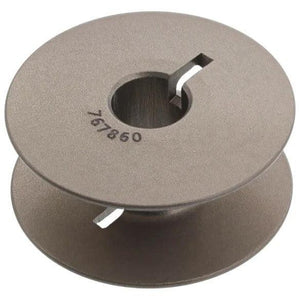
- Use the correct size and style of bobbin for your machine (Class 15 vs L-style vs M-size).
- Avoid using old, brittle thread.
- Never mix partial bobbins with fresh thread.
- Don’t overfill the bobbin; stop when it’s even with the bobbin flanges.


High Quality Sewing Thread For Better Bobbins

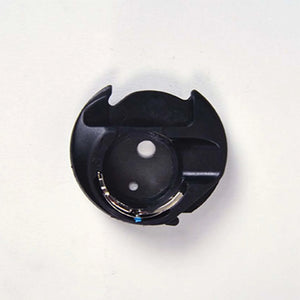
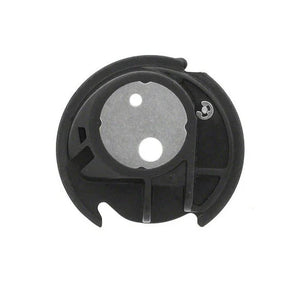
Replacement Bobbin Cases For Your Model

Sewing Machine Maintenance Tools


How to Wind a Perfect Bobbin: The Key to Tight, Even Bobbin Winding on Your Sewing Machine

Written By: Cale Schoenberg
Find More Inspiration
Shop The Best Deals


Baby Lock Class 15 Bobbins (12pk), #BLG-BOB Baby Lock Class 15 Bobbins (12pk), #BLG-BOB
Accessory
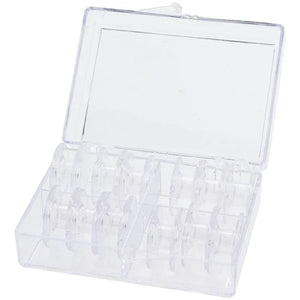
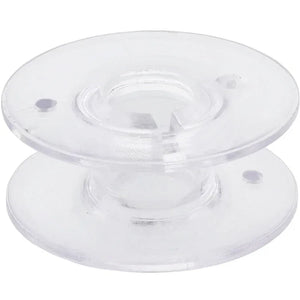
Baby Lock Class L Bobbins (12pk), #ESG-BOB Baby Lock Class L Bobbins (12pk), #ESG-BOB
Accessory
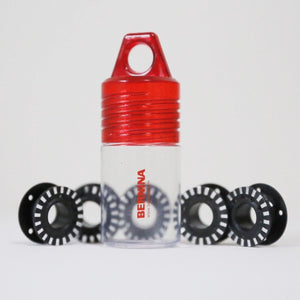
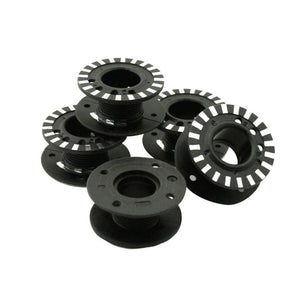
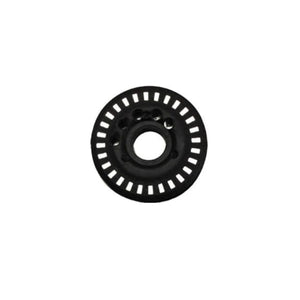
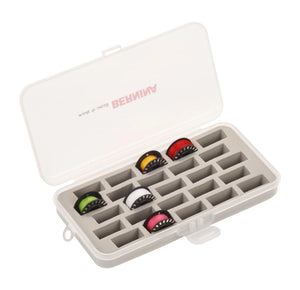
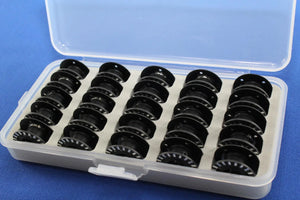

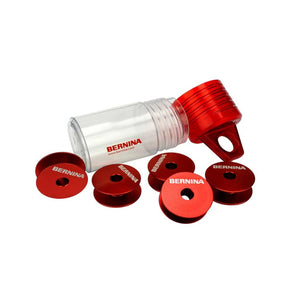
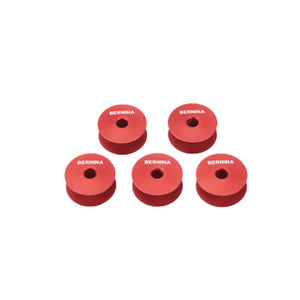
Bernina M Class Bobbins for Q-series Red 5pk Bernina M Class Bobbins for Q-series Red 5pk
Longarm Parts/Acc
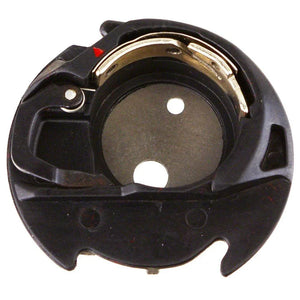
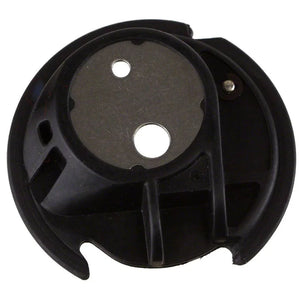

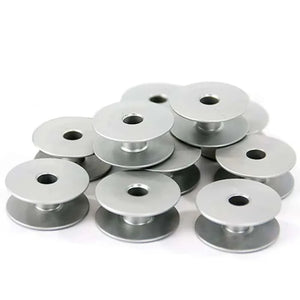
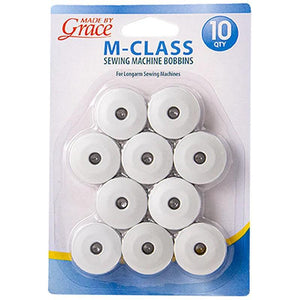
Grace Quilting Machine M-Class Bobbins Grace Quilting Machine M-Class Bobbins
Longarm Parts/Acc
machine guide, troubleshooting
Compartir en:
-
 Share on Email
Se abre en una nueva ventana.
Share on Email
Se abre en una nueva ventana.
-
 Compartir en Facebook
Se abre en una nueva ventana.
Compartir en Facebook
Se abre en una nueva ventana.
-
 Share on Linkedin
Se abre en una nueva ventana.
Share on Linkedin
Se abre en una nueva ventana.
-
 Twittear en Twitter
Se abre en una nueva ventana.
Twittear en Twitter
Se abre en una nueva ventana.
1 Comentarios
Deja un comentario
Tenga en cuenta que los comentarios deben aprobarse antes de que se publiquen.





Sue Harrison
September 24, 2026
This is great information!
Thank you