Sewing Machine vs Serger vs Coverstitch - What’s the Difference?
The Three Fundamental Stitch Systems and Why They Exist
If you strip sewing down to its essence, there are only a few ways to join fabric together with thread.
Modern machines have evolved into three dominant stitch systems:
- Lockstitch (standard sewing machine, embroidery machine, long-arm quilting machine)
- Overlock stitch (serger)
- Coverstitch (coverstitch machine)
They are not interchangeable. Each one exists because it solves a different mechanical problem.
1. The Lockstitch (Standard Sewing Machine)
The lockstitch is the most common stitch in the world.
It uses:
- 1 needle thread (top)
- 1 bobbin thread (bottom)
These two threads interlock in the middle of the fabric.
How it works
- The needle carries the thread down through the fabric
- A hook grabs that thread and wraps it around the bobbin thread
- The stitch tightens and “locks” inside the fabric layers
Why it exists
The lockstitch was designed for:
- Strength
- Precision
- Control
It creates a tight, stable seam that does not stretch.
What it’s good for
- Woven fabrics (cotton, denim, canvas)
- Construction seams
- Topstitching
- Zippers, buttonholes, and detail work
Its limitation
The lockstitch has one major weakness: it does not stretch well. If you pull on it, the thread breaks.
That’s why it may struggle with:
- Knit fabrics
- Activewear
- Anything that needs elasticity
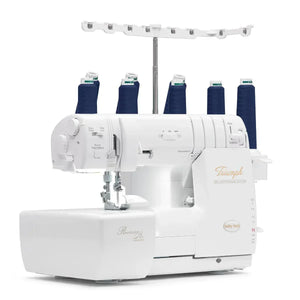
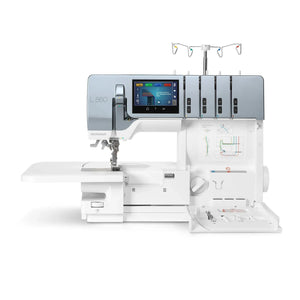
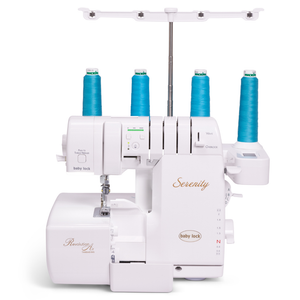
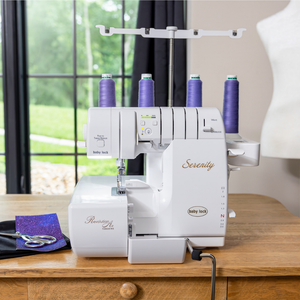
2. The Overlock Stitch (Serger)
What it is
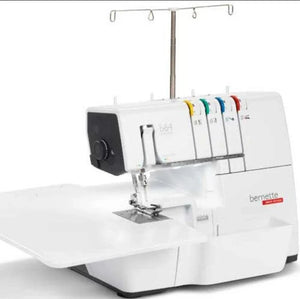
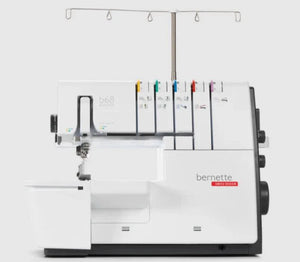
The overlock stitch uses:
- 1–2 needles
- 2 loopers (upper and lower)
- 3–5 threads total
Instead of locking threads inside the fabric, it wraps the thread around the edge.
How it works
- The needles form straight stitches
- Loopers swing back and forth, wrapping thread around the fabric edge
- A built-in knife trims the fabric as you sew
The result is a seam that is sewn, finished, and trimmed all at once.
Why it exists
The overlock stitch was invented for speed and edge control. In manufacturing, fabric edges fray. The overlock stitch solves this by encasing the raw edge in thread. At the same time, it allows for some stretch, unlike a lockstitch.
What it’s good for
- Finishing raw edges
- Sewing knit garments
- T-shirts, leggings, athletic wear
- Fast garment construction
Its limitation
- Not as precise as a lockstitch
- Not ideal for detailed work
- Doesn’t create a “clean topstitch” look
3. The Coverstitch (Coverstitch Machine)
What it is
The coverstitch uses:
- 2 or 3 needles (top)
- 1 looper (bottom)
- 3–4 threads total
On the top, you see parallel straight lines, and on the bottom, you see a looper forming a zigzag/chain.
How it works
- Multiple needles create rows of straight stitches
- A looper connects them underneath in a flexible chain
Unlike a lockstitch, this structure allows the seam to stretch without breaking.
Why it exists
The coverstitch was designed specifically for: stretch + appearance.
It solves a problem neither of the other stitches handles well:
- Lockstitch = clean but not stretchy
- Overlock = stretchy but not visually clean
The coverstitch gives you a professional finished look with elasticity.
What it’s good for
- Hemming knit garments (T-shirts, sleeves, activewear)
- Necklines
- Decorative topstitching on stretch fabrics
If you’ve ever looked at the hem of a T-shirt, that’s a coverstitch.
Its limitation
- Cannot join fabric edges like a serger
- Not ideal for structural seams
Do You Need All Three?
Not always. Here’s the practical way to think about it:
If you only have the room/budget for one machine → Start with a sewing machine, it does the widest range of tasks.
If you’re sewing garments regularly → Add a serger; this is the biggest upgrade in speed and finish quality.
If you want professional-looking hems → Add a coverstitch machine, this is what gives garments that “store-bought” look.
My Opinion
Most people don’t need everything right away.
A common progression looks like:
Sewing machine → Add a serger → Eventually add a coverstitch
That’s how most home sewists build their setup over time.
Where Baby Lock Machines Fit In
If you’re looking at Baby Lock specifically:
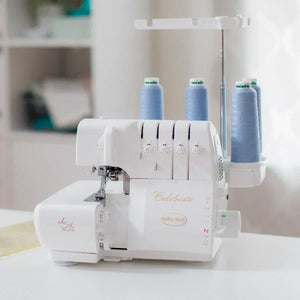
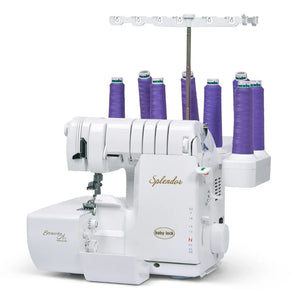
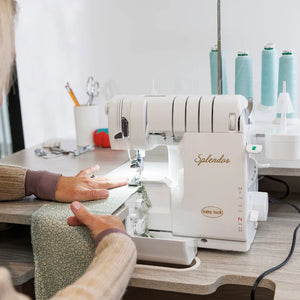
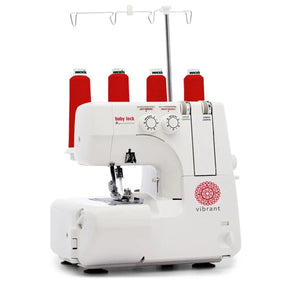
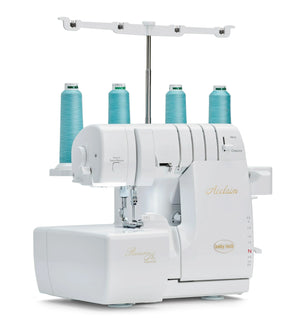
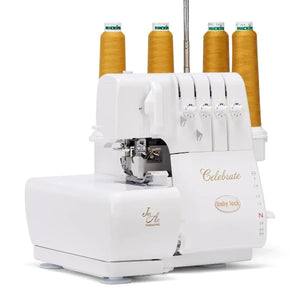
Sergers (Celebrate, Victory, Acclaim, etc.) → construction + finishing
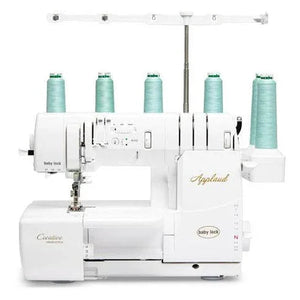
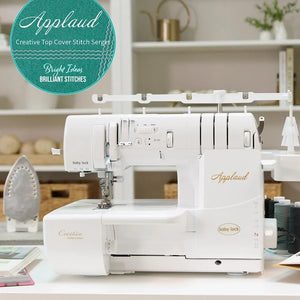
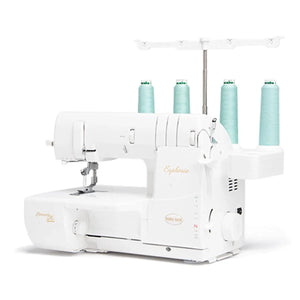
Coverstitch machines (Euphoria, Applaud) → hems + stretch finishing
Each one is built around a specific stitch system.
Still Not Sure?
If you’re unsure what you actually need, that’s normal.
The right answer depends on:
- What you’re sewing
- How often you're sewing
- What part of the process is frustrating you
If you’re stuck, reach out to us—we can help you figure out what actually makes sense for you.

Sewing Machine vs Serger vs Coverstitch - What’s the Difference?

Written By: Cale Schoenberg
Find More Inspiration
Shop The Best Deals
Baby Lock
Baby Lock Applaud Coverstitch Serger Baby Lock Applaud Coverstitch Serger
Serger
Baby Lock
Baby Lock Euphoria CoverStitch Machine Baby Lock Euphoria CoverStitch Machine
Serger
Baby Lock
Baby Lock Splendor 8-Thread Serger Baby Lock Splendor 8-Thread Serger
Serger
Bernette
Bernette B64 Airlock Overlock Machine Bernette B64 Airlock Overlock Machine
Serger
Bernette
Bernette B68 Airlock Serger Machine Bernette B68 Airlock Serger Machine
Serger
Bernette
bernette b68 Maker Edition Serger Machine bernette b68 Maker Edition Serger Machine
Serger
coverstitch, serger, sewing


Leave a comment
Your email address will not be published. Required fields are marked *